
Fever in Children: What’s Normal and When to Worry
Learn what child fever temperature ranges mean, how to check fever in babies safely, and when to take a child to the ER for urgent care.
By Doctor AI Team
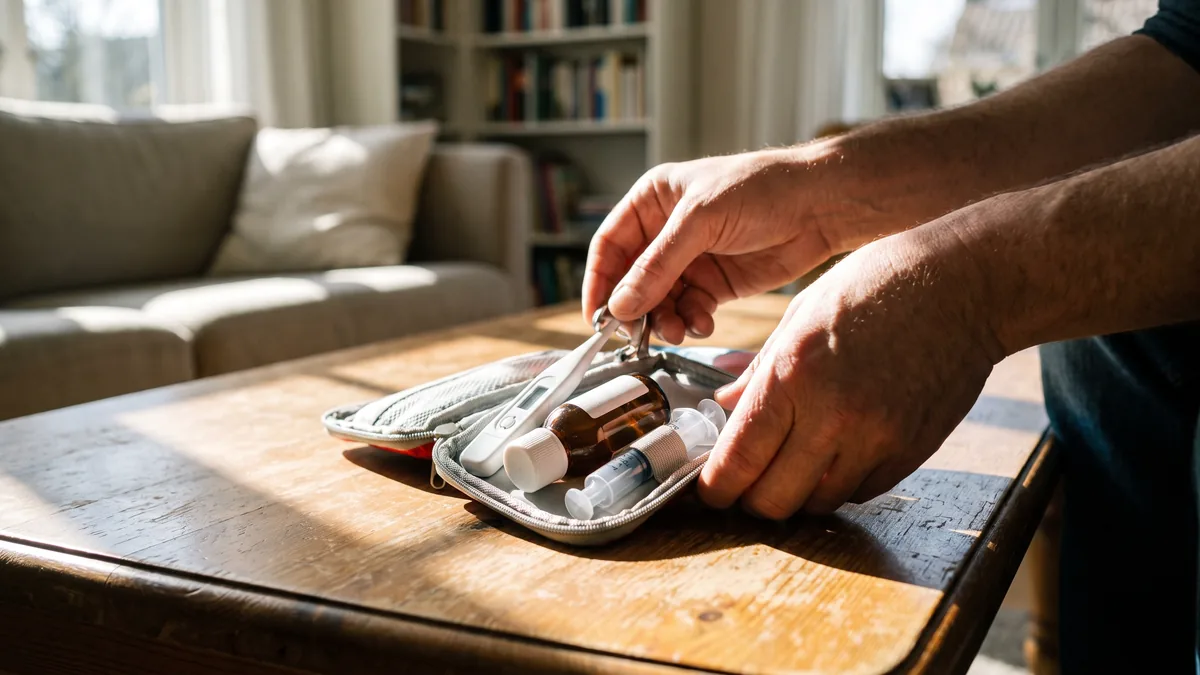
Key Takeaways
- A fever is usually defined as a body temperature at or above 38.0°C (100.4°F), and it’s often a normal immune response to infection.
- In babies under 3 months, any temperature of 38.0°C (100.4°F) or higher needs same-day medical assessment, according to the NHS and CDC.
- Your child’s behavior, breathing, hydration, and alertness often matter more than the exact number on the thermometer, per the American Academy of Pediatrics.
- Febrile seizures can look frightening but are usually brief and not epilepsy; emergency care is needed if a seizure lasts longer or breathing changes.
- Track time, temperature method, symptoms, fluids, and urine output so you can clearly explain what’s happening to a clinician.
A fever can be scary—especially at night, when your child feels hot and miserable. Most fevers are caused by common infections and get better with time, but some situations need urgent care.
What Counts as a Fever (and What’s “Normal”)?
A fever is not an illness by itself—it’s a body response that can help fight infection. Most clinical guidance defines fever in children as a measured temperature of 38.0°C (100.4°F) or higher, especially when measured rectally in infants, according to the CDC and NHS.
Fever vs. “High Temperature”: terms you may see
Different sources use slightly different wording:
- Fever: generally ≥38.0°C (100.4°F), per CDC and NHS.
- High fever: not a strict medical category, but many parents use it to mean a higher number or a child who looks very unwell.
Practical tip: Treat the number as one clue, not the whole story. A child with 38.3°C who is sleepy, breathing fast, and not drinking is more concerning than a playful child with 39.0°C.
What affects a child fever temperature reading?
A child’s temperature can vary with:
- Time of day (often higher in late afternoon/evening)
- Recent activity, hot baths, heavy blankets
- How the temperature was taken (ear/forehead/oral/rectal)
Practical tip: If you recheck, wait 15–30 minutes after removing extra layers or after activity, and use the same thermometer/method for consistency.
How to Take Your Child’s Temperature Accurately
The “best” method depends on age and what you can do safely. The NHS and CDC emphasize that method matters because different sites can read differently.
Best thermometer methods by age
- Babies and toddlers: Rectal temperatures are often considered the most accurate for core temperature, especially in infants, according to the CDC.
- Older children: Oral temperatures can be accurate if your child can hold the thermometer properly.
- Ear (tympanic) and forehead (temporal): Convenient, but technique matters; ear readings can be less reliable if the probe isn’t positioned well or if there’s earwax.
Practical tip: Write down both the number and the method (for example, “38.2°C, temporal scan” or “100.8°F, oral”). That context helps clinicians interpret the reading.
Common mistakes that skew readings
- Taking an oral temperature right after hot/cold drinks
- Scanning the forehead too quickly or over sweaty skin
- Using an ear thermometer in very young babies (small ear canals can affect accuracy)
- Switching methods repeatedly and comparing them directly
Practical tip: If your child feels hot but the reading is normal, recheck with a careful technique—or a different method you trust—before assuming there’s no fever.
Why Kids Get Fevers: Common Causes and What to Watch
Most fevers in children are caused by viral infections (like colds or flu-like illnesses), but bacterial infections and other conditions can also cause fever. The NHS and CDC note that fever is a common symptom in childhood and is often self-limited.
Common causes of fever in children
- Viral infections: colds, influenza, COVID-19, viral gastroenteritis
- Ear infections
- Urinary tract infections (UTIs)
- Strep throat
- Pneumonia
- Immunizations: mild fever can occur after some vaccines, per CDC vaccine information
Practical tip: Focus on “how sick” your child seems: breathing, hydration, alertness, color, and comfort are often more clinically useful than the peak temperature.
Symptoms that help you judge severity
Track these alongside the temperature:
- Drinking and urination (wet diapers/pee frequency)
- Breathing effort (working hard to breathe, ribs pulling in)
- Energy and interaction (smiling, making eye contact, responding)
- Rash (especially purple spots that don’t fade when pressed)
- Pain (ear pain, sore throat, headache, belly pain, painful urination)
Practical tip: Keep a simple note in your phone: time, temperature, method, symptoms, fluids, urine, and any medicines given (name only). This is especially useful if you’re deciding when to take a child to the ER.
Fever in Babies: Why Age Changes the Rules
Fever in babies is handled more cautiously because young infants can get serious infections without many obvious symptoms. The NHS and CDC advise urgent medical assessment for any fever in infants under 3 months.
Under 3 months: treat fever as urgent
If your baby is younger than 3 months and has a temperature ≥38.0°C (100.4°F), contact urgent medical care the same day. This recommendation is consistent across major guidance (NHS, CDC) because clinicians may need to evaluate for infections that require prompt treatment.
Practical tip: If you’re heading for care, bring the thermometer used and note the exact reading and method (rectal/temporal/etc.).
3 to 6 months: lower threshold for concern
Babies in this age range still merit careful attention. Guidance such as the NHS highlights seeking medical advice if a baby seems unwell, is hard to wake, has feeding problems, or has breathing difficulty—even if the fever number isn’t extremely high.
Practical tip: In babies, hydration can change quickly. Watch for fewer wet diapers, dry mouth, no tears when crying, or a sunken soft spot, and seek medical advice promptly if present.
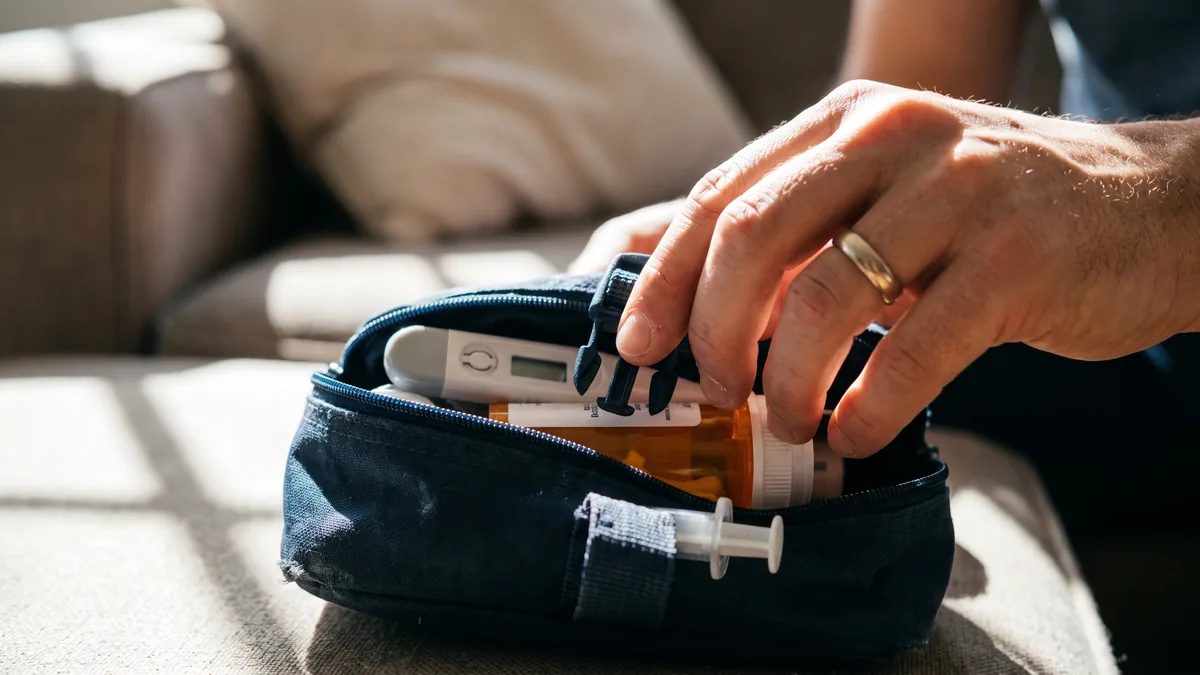
Comfort Care at Home: What Helps (and What Doesn’t)
Home care aims to improve comfort and prevent dehydration, while you monitor for red flags. The American Academy of Pediatrics (AAP) emphasizes treating the child, not the number—meaning comfort and behavior matter.
What to do for a feverish child
- Offer frequent fluids (breastmilk/formula for infants; water or oral rehydration solutions for older kids if needed)
- Dress in light layers and keep the room comfortably cool (avoid over-bundling)
- Encourage rest, but it’s okay if your child plays quietly when they feel up to it
- Use a lukewarm bath only if it helps comfort; avoid cold baths or alcohol rubs (the NHS warns against alcohol rubs)
Practical tip: Use “small and often” fluids: a few sips every 5–10 minutes can be easier than a full cup when kids feel nauseated.
Fever reducers: how to think about them safely
Fever-reducing medicines can help with discomfort, aches, and sleep, but they don’t treat the underlying cause. Follow product labeling and your clinician’s guidance, and use the correct measuring device. The NHS and AAP provide parent guidance on safe use and emphasize avoiding mixing products that contain the same ingredients.
What to avoid:
- Aspirin in children and teens because of the risk of Reye syndrome, per the CDC and other pediatric guidance.
- Using fever medicine solely to “normalize” temperature if your child is otherwise comfortable.
Practical tip: Before giving any medicine, ask yourself: “Is my child uncomfortable?” If they’re drinking, alert, and resting, you may not need to treat the fever number.
What to track for telehealth or clinic visits
Write down:
- Highest temperature and how it was measured
- How long the fever has lasted
- Main symptoms (cough, vomiting, diarrhea, sore throat, ear pain, rash)
- Hydration signs (drinking, wet diapers/urination)
- Exposure history (school outbreaks, travel, sick contacts)
Practical tip: If possible, record a short 10–15 second video of concerning breathing or unusual behavior to show your clinician.
Febrile Seizures: What They Look Like and What to Do
Febrile seizures are seizures that can happen in young children with fever. They are most common between about 6 months and 5 years, according to MedlinePlus and AAP-style patient resources, and they can be terrifying to witness.
Febrile seizure signs parents notice
Common febrile seizure signs include:
- Sudden stiffening or jerking of arms and legs
- Eyes rolling upward
- Loss of responsiveness
- Breathing that looks irregular for a short time
- Sleepiness afterward
Practical tip: If you can, note how long it lasts and what you saw first (stiffening, jerking, staring). Duration is one of the most important details for clinicians.
What to do during a seizure
General first-aid guidance from reputable pediatric resources (such as MedlinePlus and NHS-style guidance) includes:
- Place your child on their side on a safe surface
- Remove nearby hard objects
- Do not put anything in their mouth
- Do not try to restrain the movements
Practical tip: Time it with your phone clock. A seizure can feel long, but accurate timing helps determine next steps.
When to See a Doctor
Use this section to decide when to take a child to the ER versus when to call your pediatrician/urgent care. The red flags below align with common guidance from the NHS, CDC, and pediatric clinical resources.
Seek emergency care now (call emergency services or go to the ER) if:
- Your child has trouble breathing, is grunting, or is working hard to breathe (ribs pulling in, nostrils flaring).
- Your child is hard to wake, unusually confused, or not responding normally.
- Your child has blue/gray lips or face, or looks severely pale and weak.
- Your child has a seizure, especially if it’s the first one, lasts longer than a few minutes, or breathing doesn’t quickly return to normal.
- Your child has a rash of purple spots/bruises that do not fade when pressed (non-blanching rash).
- Your child shows signs of severe dehydration (very dry mouth, no urine for many hours, no tears, very sleepy, sunken eyes in a child who is clearly worsening).
- Your child has a stiff neck with severe headache, or you cannot comfort them and they appear very ill.
Actionable tip: If you’re unsure, err on the side of urgent evaluation—describe breathing, alertness, and hydration, not just the temperature.
Call your pediatrician or seek same-day urgent care if:
- Fever in babies: your infant is under 3 months with a temperature ≥38.0°C (100.4°F), per NHS and CDC.
- Your child has fever with ear pain, painful urination, significant sore throat, or persistent vomiting/diarrhea.
- Your child’s fever persists longer than expected for a typical viral illness, or keeps returning after improving.
- Your child has a chronic medical condition (for example, immune suppression) or is on medications that affect immunity—ask your specialist team how to triage fevers.
- You’re worried your child is getting worse, even if the temperature is not very high.
Actionable tip: Ask directly: “What signs mean we should go to the ER tonight?” and “When should we recheck if symptoms don’t improve?”
Frequently Asked Questions
What temperature is considered a fever in children?
A fever is commonly defined as a temperature of 38.0°C (100.4°F) or higher, according to the NHS and CDC. The method matters, so share whether it was rectal, oral, ear, or forehead. How your child looks and acts is also important for judging severity.
When should I worry about fever in babies?
Worry sooner in young infants because they can become unwell quickly. The NHS and CDC recommend urgent medical assessment for any baby under 3 months with a temperature of 38.0°C (100.4°F) or higher. Also seek prompt care if a baby is feeding poorly, unusually sleepy, or has breathing difficulty.
What are febrile seizure signs I should recognize?
Febrile seizures often involve sudden stiffening or jerking, loss of responsiveness, and sleepiness afterward. They can happen with fever in young children and usually stop on their own, according to MedlinePlus-style pediatric resources. Get urgent medical help if it’s the first seizure, lasts longer than a few minutes, or breathing doesn’t quickly normalize.
When should I take a child to the ER?
Go to the ER for breathing trouble, severe lethargy or unresponsiveness, blue/gray color, a non-blanching purple rash, severe dehydration, or a seizure with concerning features. These are red flags highlighted across NHS and pediatric emergency guidance. If you’re unsure, describing breathing, alertness, and urine output can help triage quickly.
External Links
- Mayo Clinic Q and A: Child with recurrent fever may have periodic fever syndrome - Mayo Clinic News Network
- Fever in Children: Pearls and Pitfalls - PMC - NIH
- Fever in children: Learn More – Fever in children: When to see a doctor - InformedHealth.org - NCBI Bookshelf
- Fever in children: Learn More – Fever in children: When to see a doctor - InformedHealth.org - NCBI Bookshelf
- Fever and antipyretic use in children. - Abstract
- Your child has a chronic medical condition (for example, immune suppression) or is on medications that affect immunity—ask your specialist team how to triage fevers.


