
Burnout Symptoms: Signs and How to Recover
Learn common burnout symptoms, how to tell burnout from depression, and practical burnout recovery steps you can start today while seeking support.
By Doctor AI Team

Key Takeaways
- Burnout is a work-related syndrome marked by emotional exhaustion, mental distance or cynicism, and reduced effectiveness, as defined by the WHO.
- Persistent burnout symptoms that include hopelessness, suicidal thoughts, or inability to function need urgent professional help, not self-care alone.
- Burnout recovery works best when you reduce work stress at its source and rebuild sleep, movement, and supportive connection consistently.
- Tracking sleep, energy, and work triggers for two weeks can clarify patterns and help you and your clinician choose the right next steps.
Burnout can creep in slowly—until your body and mind feel like they’ve hit a wall. The good news is that burnout recovery is possible, especially when you address both work stress and your basic needs.
What Burnout Is (and What It Isn’t).
Burnout isn’t just “being stressed.” The World Health Organization (WHO) classifies burnout as an occupational phenomenon—a syndrome resulting from chronic workplace stress that hasn’t been successfully managed. According to the WHO, it includes three dimensions:
- Feelings of energy depletion or emotional exhaustion
- Increased mental distance from one’s job, or feelings of negativism/cynicism related to work
- Reduced professional efficacy
A practical way to think about it: burnout is what happens when stress stops being a short-term push and becomes a long-term drain.
Burnout vs. everyday stress: what’s different?
Stress can be intense but temporary—like a deadline week—followed by recovery. Burnout symptoms tend to:
- last for weeks to months,
- show up across your day (not only during a specific task),
- and start affecting your functioning, relationships, and health.
Actionable tip: If you’ve been “pushing through” for more than 2–4 weeks with worsening fatigue, start treating it as a health issue, not a motivation issue.
Burnout vs. depression or anxiety: why it matters
Burnout and depression can overlap (sleep changes, low energy, reduced motivation). But they’re not identical. The WHO frames burnout as work-related, while depression is a medical condition that can affect every area of life and may occur with or without job stress. The NHS and NIH/MedlinePlus describe depression symptoms such as persistent low mood, loss of interest, and hopelessness—often extending beyond work.
Actionable tip: If symptoms feel “global” (you can’t enjoy anything, not just work), or you have thoughts of self-harm, treat it as urgent and seek professional help promptly.
Burnout Symptoms: Common Signs to Watch For.
Burnout symptoms often cluster into emotional, cognitive, physical, and behavioral changes. Not everyone has all of them.
Emotional signs: the “empty battery” feeling
Common emotional patterns include:
- Emotional exhaustion (feeling drained before the day even begins)
- Irritability or a “short fuse”
- Feeling numb, detached, or unable to care
- Increased tearfulness or overwhelm
- Dreading work, even tasks you previously handled well
Actionable tip: Name the emotion precisely once a day (“I feel anxious,” “I feel resentful,” “I feel depleted”). This simple labeling can reduce intensity and helps identify triggers.
Thinking and focus: when your brain won’t cooperate
You might notice:
- Difficulty concentrating or making decisions
- Slower thinking, forgetfulness, more mistakes
- Cynicism (“What’s the point?”) or harsh self-criticism
- Feeling ineffective despite working harder
According to the CDC, stress can affect how you think and feel, and can contribute to problems with memory and concentration.
Actionable tip: Use a “one-screen rule” for 30 minutes daily: one task, one tab, notifications off. It’s a small cognitive reset that often reveals how depleted you are.
Physical symptoms: stress shows up in the body
Burnout can come with physical stress symptoms, including:
- Sleep problems (trouble falling asleep, waking early, non-restorative sleep)
- Headaches, muscle tension, jaw clenching
- Stomach upset or appetite changes
- Frequent colds or feeling “run down”
- Racing heart or feeling keyed up
The Mayo Clinic notes that burnout can affect physical health and is linked with symptoms like fatigue, sleep changes, and increased illness.
Actionable tip: If you’re able, schedule a basic check-in with primary care to rule out common contributors to fatigue (like anemia, thyroid issues, sleep apnea, or medication side effects).
Behavior changes: what others may notice first
Burnout can shift how you act:
- Pulling away from friends or family
- Procrastination, increased errors, “quiet quitting” feelings
- Using more alcohol, nicotine, or cannabis to unwind
- Skipping meals, relying on ultra-processed snacks
- Working longer hours with less to show for it
Actionable tip: Pick one “anchor habit” you won’t negotiate for two weeks—like a real lunch away from your desk 4 days/week.
Why Burnout Happens: The Work Stress Patterns Behind It.
Burnout is rarely about individual weakness. It’s often a mismatch between demands and resources. Occupational health research and major medical organizations commonly point to drivers like workload, low control, insufficient support, and value conflicts.
Common workplace drivers you can actually name
Look for these patterns:
- Unmanageable workload: too much, too fast, too constant
- Low control: unclear priorities, shifting expectations, little autonomy
- Low reward: effort isn’t recognized (pay, feedback, growth)
- Poor community: conflict, isolation, lack of psychological safety
- Unfairness: inconsistent rules, favoritism, unequal burdens
- Values mismatch: asked to do work that feels unethical or meaningless
Actionable tip: Write down your top two drivers (not ten). Burnout recovery accelerates when you target the biggest levers first.
Personal factors: not the cause, but part of the picture
Traits like perfectionism, people-pleasing, and high responsibility can increase risk in a stressful environment. They’re not character flaws—but they may require boundary work.
Actionable tip: Replace “I should be able to handle this” with “What system change would make this sustainable?” That reframing points you toward solutions.
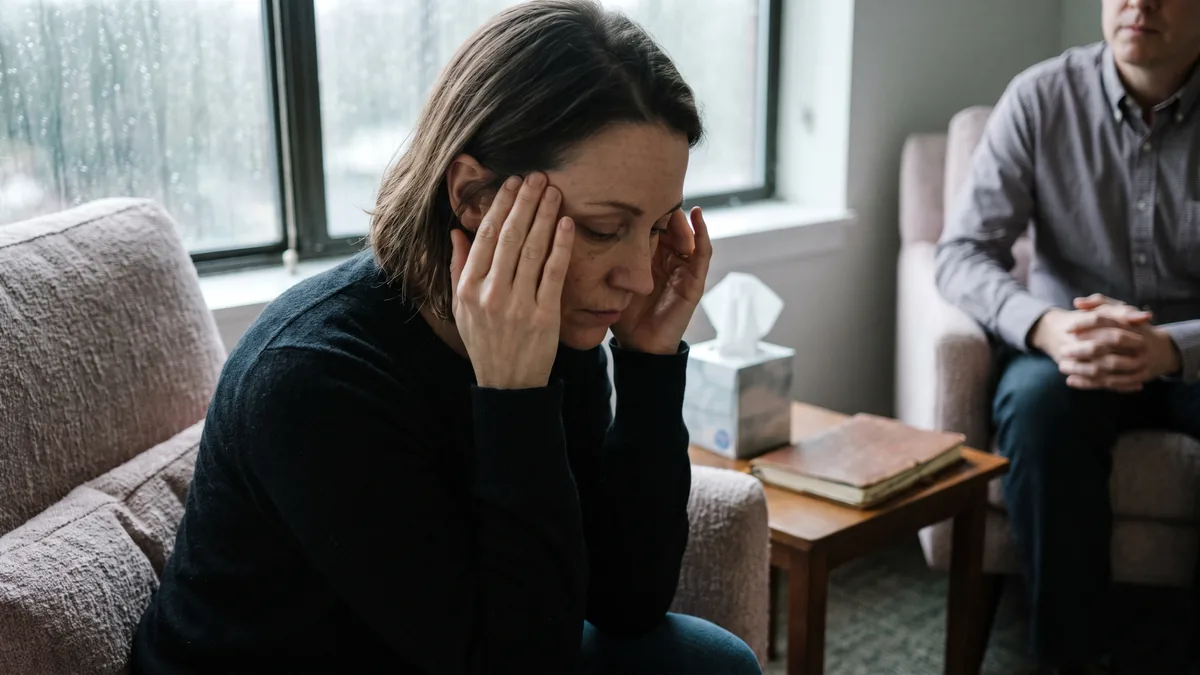
Burnout Recovery: A Practical Plan You Can Start Today.
Burnout recovery usually needs two parallel tracks:
- reduce the ongoing stressors, and
- rebuild the basics your nervous system relies on (sleep, movement, food, connection).
Step 1: Reduce exposure to the stressor (even slightly)
If the workload stays the same, self-care alone often fails. Aim for small, specific reductions you can defend.
Try one of these this week:
- Define “done”: agree on what a completed task looks like before you start.
- Create a stop time: choose a realistic end-of-work boundary 2–3 days/week.
- Limit after-hours messaging: set a “response window” you can maintain.
- Shrink meetings: propose 25- or 50-minute defaults.
- Use a priority script: “If this is urgent, what should I deprioritize?”
Actionable tip: Put one boundary in writing (email/Slack) so it’s clear and repeatable.
Step 2: Restore sleep—your highest-yield recovery tool
The CDC and NHS emphasize that adequate sleep supports mental health, stress tolerance, and overall functioning. Many adults do best with 7–9 hours per night (a widely used public health reference range, including CDC guidance).
Practical sleep supports:
- Keep wake time consistent most days (even if bedtime varies).
- Get outdoor light within an hour of waking.
- Avoid working in bed; keep the bed for sleep and intimacy.
- If your mind races, do a 5-minute “tomorrow list” on paper.
Actionable tip: For two weeks, track only two sleep data points: bedtime and wake time. Consistency matters more than perfection.
Step 3: Move your body in a “nervous-system-friendly” way
You don’t need intense workouts to recover. The CDC recommends adults aim for regular physical activity for health; movement also supports stress regulation and sleep quality.
Good burnout-friendly options:
- 10–30 minutes of brisk walking most days
- gentle cycling, swimming, or yoga
- short “movement snacks” (2–5 minutes) between tasks
Actionable tip: Pair movement with something you already do: walk during one phone call, or take a 10-minute walk right after lunch.
Step 4: Eat for steadier energy (not perfection)
Under stress, many people skip meals, graze, or rely on caffeine and sugar spikes. A steadier pattern helps mood and focus.
Start with:
- A protein-containing breakfast or first meal (eggs, yogurt, beans, tofu)
- A real lunch away from your screen when possible
- Hydration you can see (a bottle on your desk)
Actionable tip: Add one “energy stabilizer” daily: protein + fiber at one meal (for example, chicken and salad, lentils and rice, or Greek yogurt and berries).
Step 5: Rebuild connection and support—burnout thrives in isolation
Burnout often pulls people inward. Yet social support is a well-established buffer for stress in public health guidance, including CDC stress resources.
Try:
- one check-in with a trusted person weekly (10–20 minutes),
- a walk with a friend,
- or a short “I’m not doing great” message to someone safe.
Actionable tip: Make the ask specific: “Can we talk for 15 minutes this week? I don’t need solutions—just a listening ear.”
Step 6: Consider structured help: therapy, coaching, or workplace supports
If burnout symptoms are persistent, structured support can help you change patterns faster.
Options to consider:
- Primary care clinician (screening for depression/anxiety, sleep issues, medical contributors to fatigue)
- Licensed therapist (CBT or stress-focused therapy) (skills for boundaries, thinking traps, recovery routines)
- Employee Assistance Program (EAP) (short-term counseling and workplace resources)
- Occupational health services (workplace adjustments, return-to-work planning)
- Union or worker representative (support for workload, safety, fairness concerns)
Actionable tip: Before an appointment, write a 5-line summary: top symptoms, duration, biggest work stressors, sleep pattern, and what you’ve already tried.
What to Track for Two Weeks (So You Can Make Better Decisions).
Burnout can feel vague and endless. Tracking turns it into patterns you can act on—without obsessing.
A simple burnout tracker you can do in 2 minutes/day
Use notes or a paper calendar. Each day, rate 0–10:
- Energy
- Mood
- Work stress
- Sleep quality
Then add one short line:
- “Biggest drain today was…”
- “One thing that helped was…”
Actionable tip: Bring this to a clinician or therapist; it speeds up assessment and makes workplace conversations more concrete.
What improvements to look for (and what not to expect)
Early wins often look like:
- slightly better morning functioning,
- fewer “crash” days,
- improved patience,
- or returning interest in non-work activities.
You may not see instant joy or motivation. Recovery is often gradual and uneven.
Actionable tip: Measure progress by function, not feelings alone: “I cooked once,” “I took a walk,” “I stopped work on time twice.”
Preventing Burnout From Coming Back.
Burnout commonly recurs if the environment and habits return to the same strain. Prevention is about creating sustainable defaults.
Build boundaries that don’t rely on willpower
Examples:
- A “shutdown ritual” (close laptop, write tomorrow’s top 3, clear desk)
- No-meeting blocks for deep work
- A realistic maximum number of high-focus tasks per day
Actionable tip: Set one “non-negotiable” boundary that protects sleep (for example, no work messages after a certain hour most nights).
Make work more sustainable: small system changes
If you manage others, consider:
- clearer priorities and fewer “urgent” requests,
- predictable schedules,
- protected breaks,
- and modeling time off.
If you don’t manage others, you can still:
- ask for clarity (“Which deadline matters most?”),
- document workload,
- and propose a trial change for two weeks.
Actionable tip: Use a trial framing: “Can we test this for two weeks and review outcomes?” It’s often easier for workplaces to say yes.
Plan real recovery time (not just “time off”)
Time off helps, but only if it includes restoration:
- sleep,
- light movement,
- enjoyable low-pressure activities,
- and reduced screen time.
Actionable tip: Schedule one genuinely restorative activity like an appointment: a weekly class, a park walk, or a hobby hour.
When to See a Doctor
Seek professional medical help if any of the following apply, especially if symptoms last more than a couple of weeks or worsen:
- You have thoughts of self-harm or suicide, or you feel you might not be safe.
- You can’t function day to day (can’t get out of bed, can’t work, can’t care for yourself or dependents).
- Panic symptoms, chest pain, fainting, or severe shortness of breath occur—seek emergency care to rule out medical causes.
- Severe insomnia (near-total sleep loss for multiple nights) or signs of mania (unusually elevated mood, decreased need for sleep, risky behavior).
- Burnout symptoms plus significant weight change, persistent fever, unexplained pain, or new neurologic symptoms (like weakness, confusion, severe headaches).
- Alcohol or drug use is increasing, or you’re relying on substances to get through the day.
- You suspect depression, anxiety, PTSD, or another mental health condition, especially if symptoms extend beyond work.
- You have a chronic condition (like heart disease, diabetes, autoimmune disease) and stress is worsening symptoms.
Frequently Asked Questions
Can burnout symptoms look like depression or anxiety?
Yes, burnout symptoms can overlap with depression and anxiety, including low energy, sleep problems, and reduced motivation. The key difference is that burnout is defined by the WHO as work-related, while depression and anxiety can affect all areas of life. If you feel hopeless, numb everywhere, or unsafe, seek professional care promptly.
How long does burnout recovery usually take for most people?
It varies widely because recovery depends on whether work stressors change and how depleted your sleep and health have become. Many people improve gradually over weeks with consistent sleep, boundaries, and support, but some need longer-term changes or treatment. If you’re not improving, a clinician can help check for depression, anxiety, or medical contributors.
What are the best first steps if work stress is nonstop?
Start with one concrete reduction in exposure, like a defined stop time, fewer after-hours responses, or clarifying priorities in writing. Pair that with one recovery anchor habit—usually sleep consistency or a daily walk—so your body can reset. If your workplace can’t accommodate any change, consider involving occupational health or an EAP.
Can taking vacation fix burnout completely by itself?
Vacation can help, but it often doesn’t fix burnout if you return to the same workload, lack of control, or values conflict. Burnout recovery usually requires both rest and changes to how work is structured or paced. If time off doesn’t restore you, it’s a sign to seek support and reassess the root causes.
External Links
- How to Recover from Burnout Syndrome - Mayo Clinic Press
- Seeing burnout coming: early signs and recognition strategies in health professionals
- Depression: Learn More – What is burnout? - InformedHealth.org - NCBI Bookshelf
- Seeing burnout coming: early signs and recognition strategies in health professionals - PubMed
- Trauma-Informed Care: A Missing Link in Addressing Burnout
- Primary care clinician
- Licensed therapist (CBT or stress-focused therapy)
- Employee Assistance Program (EAP)
- Occupational health services
- Union or worker representative


